
 Anabelle Mclean
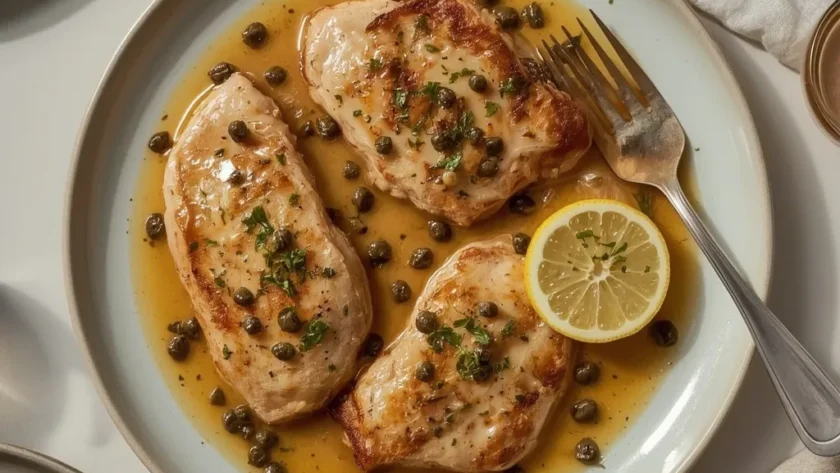
 Chicken Thigh Piccata is a quick Italian-American dinner that pairs pan-seared juicy thighs with a bright lemon-caper butter sauce. The result tastes tangy, salty, and rich, with a silky glaze that clings to every bite. If you love bold citrus and briny pops of flavor, this stovetop main course deserves a spot in your rotation.
You can pull it together in 35 minutes using mostly pantry staples, and the method is straightforward enough for beginner cooks. The only step that requires a little attention is emulsifying the sauce at the end — but I’ll walk you through it so it comes out velvety and smooth.
What Is Chicken Thigh Piccata? A Quick Italian-American Classic
Piccata traditionally means pounded meat sautéed and served in a butter-lemon-caper pan sauce. This version swaps the usual veal or chicken breast for boneless thighs, which stay tender and develop a deep golden crust. A brief simmer in white wine and broth builds a glossy reduction that you finish with cold butter off the heat. It’s that last swirl that turns the liquid into a velvety, restaurant-style sauce.
Reasons to Try This Lemony Chicken Thigh Piccata
Here’s why this recipe has become a repeat in my kitchen.
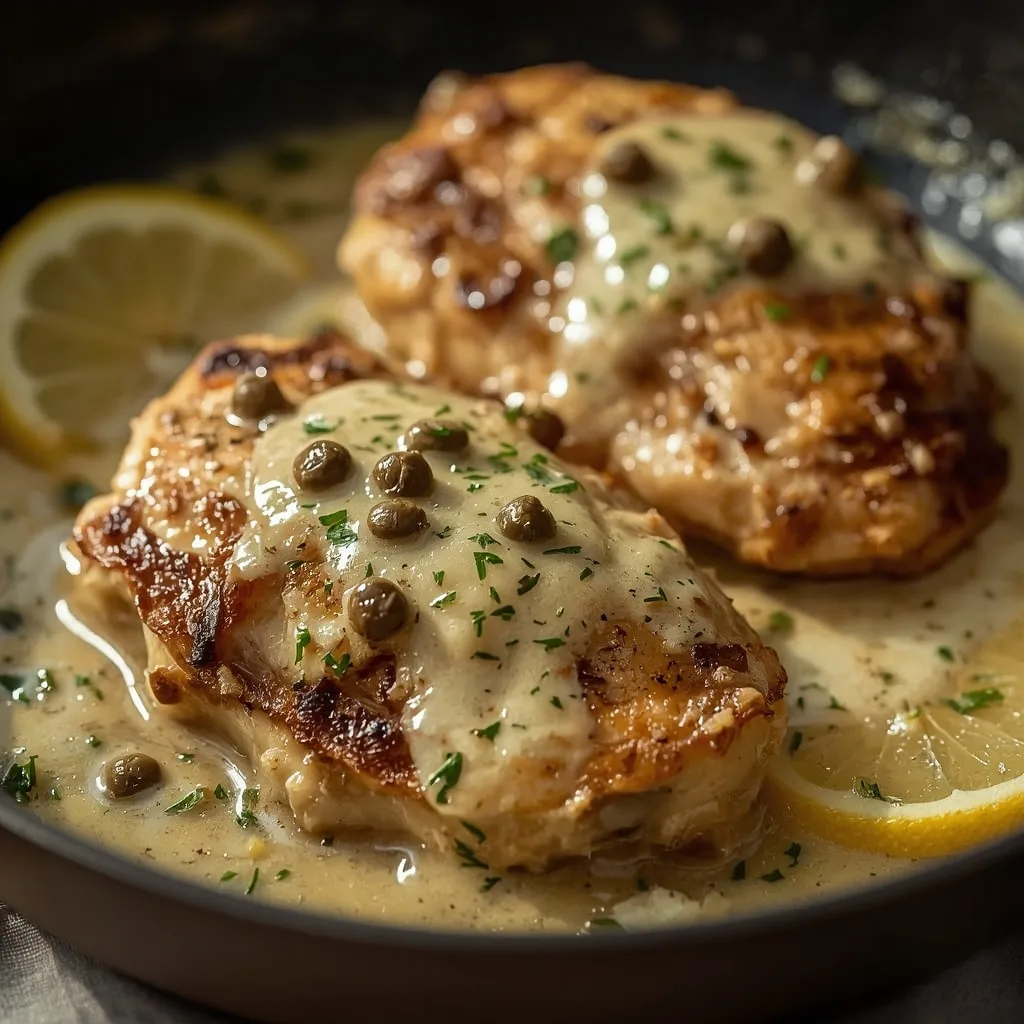
- Flavor — the combination of tangy lemon, briny capers, and savory pan drippings creates a sauce that feels both bright and luxurious.
- Texture — pounded thighs cook evenly and stay juicy, while the flour coating forms a delicate crust that soaks up the buttery glaze.
- Speed — from pounding to plating, the whole dish takes about 35 minutes, making it a strong candidate for busy weeknights.
- Pantry-friendly — beyond the chicken, most ingredients are probably already in your kitchen: flour, butter, lemon, wine, and capers.
- Versatile — the sauce works equally well over pasta, mashed potatoes, or roasted vegetables.
- Crowd-pleasing — it looks elegant but tastes comforting enough that even picky eaters usually go for seconds.
Ingredients Needed to Make Chicken Thigh Piccata
Everything comes together with a handful of staples. I’ve broken them into groups so you can gather and prep quickly.
The Chicken & Seasoning
- 1 1/2 pounds boneless, skinless chicken thighs (about 4 thighs) — trim excess fat so the sauce doesn’t taste greasy. Thighs are naturally fattier than breasts, which keeps them moist during searing.
- 1 teaspoon kosher salt — use kosher for even distribution; fine table salt will taste sharper, so reduce slightly if substituting.
- 1/2 teaspoon freshly ground black pepper — fresh pepper adds warmth that balances the citrus.
For Dredging
- 1/2 cup all-purpose flour — this creates the light crust that helps the sauce cling. Shake off any extra to avoid a pasty finish.
For the Pan & Sauce
- 2 tablespoons extra-virgin olive oil — choose one with a mellow flavor so it doesn’t compete with the lemon.
- 3 tablespoons unsalted butter, cold, divided — using cold butter at two stages promotes a golden sear and then emulsifies the sauce smoothly.
- 1 large clove garlic, minced — just one clove gives backbone without overpowering the brightness.
- 1/2 cup dry white wine (such as Pinot Grigio) — a crisp, not oaky wine works best. The acidity deglazes the pan and builds flavor.
- 1/2 cup low-sodium chicken broth — using low-sodium lets you control salt, since capers add plenty.
- 2 tablespoons fresh lemon juice (from about 1 large lemon) — fresh juice matters here; bottled can taste flat.
- 2 tablespoons capers, drained and rinsed — rinsing tames excess brine and keeps the sauce from becoming too salty.
- 2 tablespoons finely chopped fresh flat-leaf parsley — adds color and a clean herbal note at the end.
Instructions to Prepare Chicken Thigh Piccata
These steps move quickly, so have everything measured and ready before you heat the pan. Here’s how it goes.
- Pound the chicken — place one thigh between two sheets of plastic wrap and pound to an even 1/4-inch thickness using the smooth side of a meat mallet or a rolling pin. Work gently to avoid tearing the meat. Repeat with all thighs, then season both sides with the salt and pepper.
- Dredge lightly — spread the flour in a shallow dish. Press each piece of chicken into the flour, then shake thoroughly to remove excess. Too much flour will burn and create a pasty crust.
- Heat the fat — set a large stainless steel skillet over medium-high heat. Add the olive oil and 1 tablespoon of the cold butter. Swirl until the butter melts and the foam subsides; the oil should shimmer but not smoke.
- Sear the thighs — lay the floured chicken in the pan without crowding (cook in two batches if needed). Let them cook undisturbed until the bottoms are deeply golden and release easily, about 3 to 4 minutes. Flip and cook the second side until browned and the internal temperature hits 165°F / 74°C, another 3 to 4 minutes. Transfer to a plate and tent with foil.
- Sauté the garlic — reduce the heat to medium. Add the minced garlic to the residual fat and stir constantly for about 30 seconds, just until fragrant. Do not let it brown or the sauce will turn bitter.
- Deglaze the pan — immediately pour in the white wine and chicken broth. Scrape up all the browned bits with a wooden spoon, then raise the heat to high and bring the liquid to a vigorous boil.
- Reduce the sauce — boil until the liquid reduces by slightly more than half and becomes syrupy, 3 to 5 minutes. Drag your spoon through the sauce; if the track holds for a moment before filling in, it’s ready.
- Add the brightness — remove the skillet from the heat. Stir in the lemon juice and scatter the capers over the reduced sauce so they warm in the residual heat.
- Emulsify with butter — add the remaining 2 tablespoons of cold butter cut into small cubes. Swirl the skillet continuously until the butter melts and the sauce turns pale yellow and velvety. Do not use a spoon; the swirling motion creates a smooth emulsion.
- Return the chicken — nestle the seared thighs back into the skillet along with any accumulated juices. Spoon sauce over each piece to coat, but avoid simmering further so the crust stays crisp.
- Garnish and serve — transfer everything to a warmed platter, pour over all remaining sauce, and sprinkle with the chopped parsley. Serve immediately while the sauce is glossy and warm.
What Goes Well With This Lemony Chicken
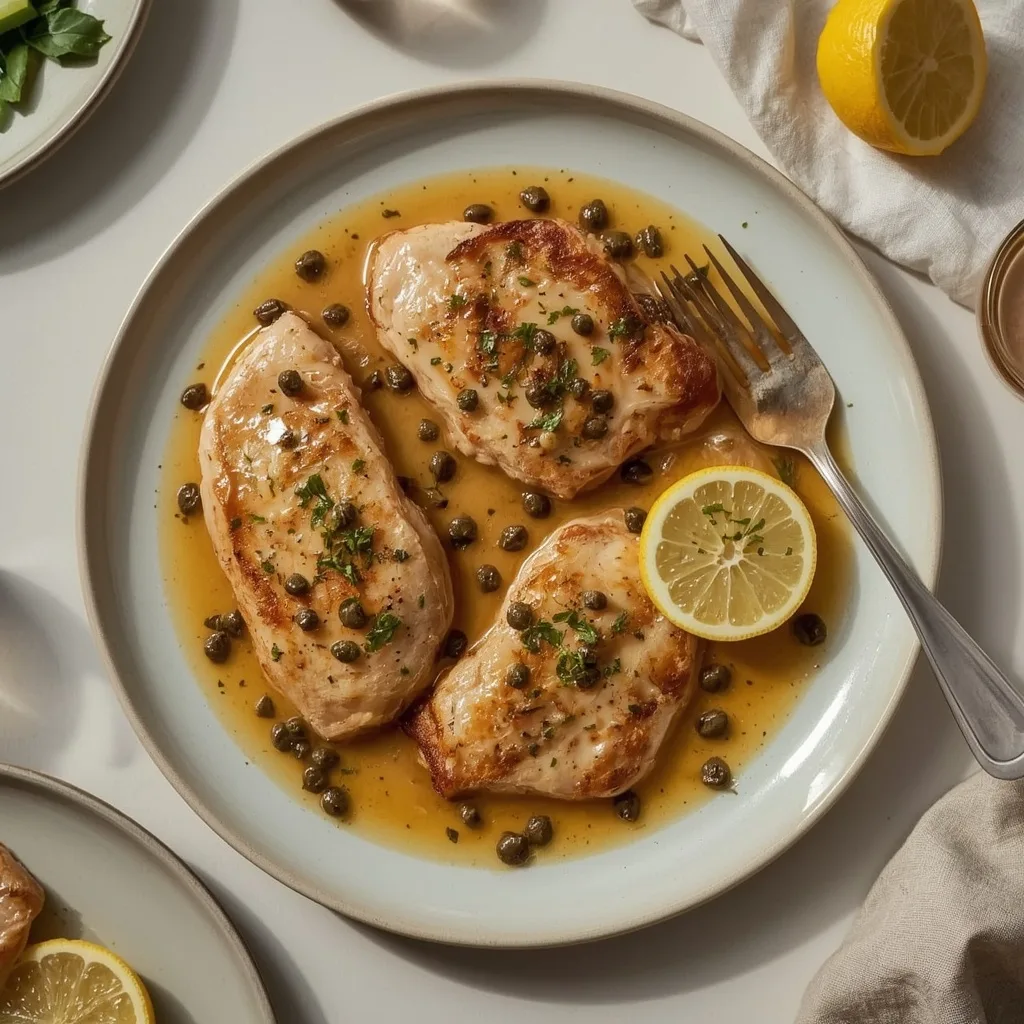
This dish shines when you pair it with something that can soak up every last drop of the lemon caper sauce.
- Creamy mashed potatoes — the buttery, smooth potatoes mingle perfectly with the tangy sauce.
- Angel hair pasta — thin strands grab the silky reduction and turn the plate into a complete Italian-style meal.
- Steamed broccoli — a simple green vegetable balances the richness without competing.
- Crusty bread — a thick slice is all you need to mop the plate clean.
- Simple green salad — dressed lightly with lemon and olive oil, it echoes the citrus notes.
- Buttered rice — a mild, fluffy bed of rice absorbs the briny butter sauce beautifully.
Key Tips for Making a Perfect Lemon Caper Sauce
Mistakes here usually involve rushing the reduction or overheating the butter. These pointers will help you nail it first time.
- Pound evenly — uniform 1/4-inch thickness guarantees every bite gets the same sear and doneness. Uneven pieces lead to dry edges and undercooked centers.
- Dry the chicken — pat the thighs with paper towels before seasoning. Excess moisture steams instead of sears, preventing that golden crust.
- Don’t over-flour — a light dusting is enough. Heavy flour can burn, clump around the edges, and turn the sauce pasty.
- Use a stainless steel skillet — nonstick pans inhibit fond formation. The browned bits stuck to stainless are what give the reduction deep savory character.
- Cold butter at the end — butter that’s too warm will melt too fast and can separate. Adding cold cubes off the heat and swirling creates a smooth, glossy emulsion.
- Taste before salting — capers and broth already contain sodium, so adjust salt only after the sauce is finished.
- Avoid overcrowding — if your pan isn’t large enough for all four thighs in a single layer, sear in batches. Crowding drops the pan temperature and steams the meat.
Creative Variations of Chicken Thigh Piccata
Once you know the base method, these swaps let you tailor the dish to what’s in your fridge.
- Chicken breast swap — use 4 small boneless, skinless breasts pounded to an even thickness. They cook a minute faster and need a gentler hand to stay juicy.
- Creamy twist — stir a tablespoon or two of heavy cream into the sauce after the butter melts for a richer, silkier finish.
- Sun-dried tomato addition — add 2 tablespoons of chopped oil-packed sun-dried tomatoes along with the capers for a deeper, savory note.
- Lemon zest boost — grate the zest of the lemon into the sauce right before adding the butter for an extra pop of citrus aroma.
- Spicy kick — add a generous pinch of red pepper flakes when you sauté the garlic to bring a gentle heat.
- Non-dairy option — replace the butter with a plant-based stick alternative and use olive oil for searing; the sauce won’t be quite as rich but still works well.
Storage Guidelines for Chicken Thigh Piccata
Leftovers keep well for a few days if you handle them right.
- Store in an airtight container — transfer the chicken and sauce together to a shallow container within two hours of cooking.
- Refrigerate promptly — it’ll stay fresh for up to 3 days when kept cold.
- Freeze not recommended — the flour coating and butter sauce tend to turn mushy and separate upon thawing, so the texture suffers significantly.
- Label and date — mark the container so you know exactly when to use it by.
Reheating Tips for Chicken Thigh Piccata
Gentle heat is your best friend here to keep the butter sauce from breaking.
- Stovetop gently — place the chicken in a skillet with a splash of chicken broth over medium-low heat. Cover and warm until heated through, about 5 minutes, avoiding a full simmer.
- Oven low heat — arrange the thighs in a baking dish, add a spoonful of broth, cover with foil, and warm at 300°F for 10 to 12 minutes.
- Microwave as a last resort — use 50% power in 30-second bursts, stirring the sauce between bursts. High heat can cause the emulsion to separate.
- Avoid high heat entirely — rapid boiling or searing will break the butter sauce and toughen the meat.
Chicken Thigh Piccata

Juicy boneless chicken thighs pounded thin and pan-seared to a golden crust, then draped in a bright, buttery lemon-caper sauce. This quick-cooking Italian-American classic balances tangy citrus and briny capers with rich pan drippings for an elegant weeknight dinner.
- Prep Time: 15
- Cook Time: 20
- Total Time: 35
- Yield: 4 1x
- Category: Main Course
- Method: Stovetop
- Cuisine: Italian-American
Ingredients
- 1 1/2 pounds boneless, skinless chicken thighs (about 4 thighs), trimmed of excess fat
- 1 teaspoon kosher salt, plus more to taste
- 1/2 teaspoon freshly ground black pepper, plus more to taste
- 1/2 cup all-purpose flour, for dredging
- 2 tablespoons extra-virgin olive oil
- 3 tablespoons unsalted butter, cold, divided
- 1 large clove garlic, minced
- 1/2 cup dry white wine (such as Pinot Grigio)
- 1/2 cup low-sodium chicken broth
- 2 tablespoons fresh lemon juice (from about 1 large lemon)
- 2 tablespoons capers, drained and rinsed
- 2 tablespoons finely chopped fresh flat-leaf parsley
Instructions
- Place one chicken thigh between two sheets of plastic wrap. Using the smooth side of a meat mallet or a rolling pin, gently pound to an even 1/4-inch thickness. This ensures uniform cooking and tender texture; avoid tearing the meat. Repeat with all thighs, then season both sides evenly with the kosher salt and black pepper.
- Spread the all-purpose flour in a shallow dish or pie plate. Working one piece at a time, dredge each pounded chicken thigh in the flour, pressing lightly so the flour adheres. Shake off any excess flour thoroughly—too much will burn in the pan and make a pasty crust. Place the dredged thighs on a wire rack set over a baking sheet while you heat the pan.
- Set a large (12-inch) stainless steel skillet over medium-high heat. Add the olive oil and 1 tablespoon of the cold butter. Swirl the pan as the butter melts and watch for the foam to subside—this signals the fat is hot enough to sear without scorching. You want the oil shimmering but not smoking.
- Carefully lay the floured chicken thighs into the skillet without crowding (cook in two batches if necessary, wiping the pan and adding more oil and butter if needed). Sear until the bottom is deeply golden brown and the chicken releases easily from the pan, about 3 to 4 minutes. Flip using tongs and cook the second side until browned and the internal temperature reaches 165°F / 74°C on an instant-read thermometer, another 3 to 4 minutes. Transfer the chicken to a clean plate and tent loosely with foil to keep warm.
- Reduce the heat to medium. Add the minced garlic to the remaining fat in the skillet and sauté, stirring constantly, until fragrant but not browned—about 30 seconds. Browning the garlic will turn the sauce bitter, so watch it closely.
- Immediately pour in the dry white wine and chicken broth. Use a wooden spoon or flat spatula to scrape up all the browned bits (fond) from the bottom of the pan—this is where the deep savory flavor comes from. Increase the heat to high and bring the liquid to a vigorous boil.
- Boil the sauce until it has reduced by slightly more than half and appears syrupy and glossy, 3 to 5 minutes. To test, drag your spoon through the sauce; if the track holds for a moment before filling in, it’s ready. This concentrates flavor and prepares the sauce to emulsify with the butter.
- Remove the skillet from the heat. Squeeze in the fresh lemon juice and scatter the capers over the reduced sauce. The residual heat will warm the capers and mellow the lemon. Then add the remaining 2 tablespoons of cold butter, cut into small cubes.
- Swirl the skillet continuously (do not stir with a spoon) until the butter melts completely and the sauce turns velvety and pale yellow. The cold butter emulsifying into the hot reduction creates a silky, restaurant-quality texture. Taste and adjust seasoning with additional salt or pepper if needed.
- Return the seared chicken thighs to the skillet, along with any accumulated juices from the plate. Spoon the sauce generously over each piece to coat. Nestle them into the sauce but do not simmer further, or the crust will soften.
- Transfer the chicken to a warmed serving platter or individual plates. Pour all remaining sauce over the top and garnish with the chopped fresh parsley. Serve immediately, perhaps with pasta, mashed potatoes, or a simple green salad to soak up the sauce.
Notes
Store leftovers in a shallow airtight container in the refrigerator for up to 3 days. To reheat, place chicken in a skillet over medium-low heat with a splash of chicken broth to loosen the sauce; cover and warm gently until just heated through (about 5 minutes). Avoid high heat, which can break the butter sauce. Freezing is not recommended—the flour coating and butter sauce will become mushy and separate upon thawing.
Nutrition
- Calories: 444
- Sugar: 1g
- Sodium: 620mg
- Saturated Fat: 8.5g
- Carbohydrates: 13g
- Fiber: 0g
- Protein: 36g
- Cholesterol: 175mg
Keywords: chicken thigh piccata, piccata recipe, Italian chicken, lemon caper chicken, pan-seared chicken thighs, quick weeknight dinner, butter sauce chicken, easy chicken piccata, stovetop chicken


