
 Anabelle Mclean
 What Is Ina Garten Asian Salmon?
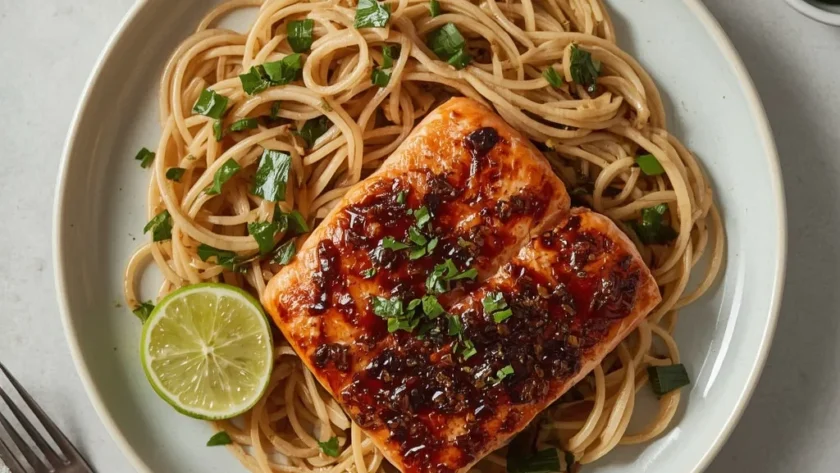
This dish is a simple oven-baked salmon coated in a soy-mustard glaze with fresh garlic and ginger. The fillets get spooned with the mixture on both sides, given a brief 10-minute marinade, and roasted at 400°F until just opaque. What emerges is flaky fish with a shiny, umami-packed exterior that tastes far more complex than the five-minute prep suggests. Serve it with jasmine rice and a green vegetable for a complete Asian-inspired dinner.
Reasons to Try This Asian Salmon Recipe
I have made this more times than I can count, and here is why it earns a permanent spot in my meal rotation.- The glaze doubles as marinade and sauce — no separate steps, no extra bowls, just one mixture that does everything.
- Quick prep leaves time for sides — you can have rice steaming and vegetables prepped while the salmon marinates.
- Oven heat creates deep caramelization — the sugars in the soy sauce and the mustard brown beautifully at 400°F, giving you those slightly crispy, sticky edges.
- Minimal cleanup with parchment paper — the pan barely needs washing, which is a gift on a weeknight.
- Leftovers stay moist and versatile — cold flaked salmon works brilliantly in grain bowls and salads the next day.
Ingredients Needed to Make Ina Garten Asian Salmon
You probably have most of these pantry staples already, which makes this an easy last-minute dinner decision.For the Soy-Mustard Glaze
- Soy sauce (3 tablespoons, good-quality) — this is the salty, savory backbone of the glaze. Reach for a naturally brewed brand rather than a cheap hydrolyzed version; the depth difference is noticeable.
- Dijon mustard (2 tablespoons) — adds tang and helps the glaze emulsify into a smooth coating. Grey Poupon or Maille work beautifully here.
- Vegetable oil (2 tablespoons) — keeps the glaze from burning and helps conduct heat evenly across the fillets. Canola or grapeseed oil are fine substitutes.
- Fresh garlic (1 teaspoon minced, about 1 medium clove) — use fresh, not jarred. The pungency mellows in the oven but still punches through the soy.
- Fresh ginger (1 teaspoon peeled and finely grated) — grating releases the juices and fibers, distributing warmth throughout the glaze. A microplane makes quick work of this.
For the Salmon
- Center-cut salmon fillets (4 fillets, 6 to 8 ounces each, skin removed and patted dry) — center-cut pieces are uniformly thick, which means even cooking from edge to edge. Drying the surface helps the glaze cling instead of sliding off.
- Scallions (2, thinly sliced on a diagonal) — a fresh, sharp garnish that cuts through the richness of the glazed fish.
Instructions to Prepare Ina Garten Asian Salmon
The whole process moves fast once the oven is hot. Here is how it goes step by step.- Preheat and prep — set the oven to 400°F (204°C) and position a rack in the center. Line a rimmed baking sheet with parchment paper to prevent sticking and make cleanup nearly instant.
- Whisk the glaze — in a small mixing bowl, combine the soy sauce, Dijon mustard, vegetable oil, minced garlic, and grated ginger. Whisk until the mixture is fully emulsified and uniform in color so each fillet gets an even coat of flavor.
- Arrange the fillets — place the salmon on the prepared baking sheet with the thickest, flatter sides facing up. Leave at least 1 inch between fillets so hot air circulates freely.
- Coat both sides — spoon half of the soy-mustard mixture over the fillets and spread it evenly with the back of the spoon. Flip each fillet carefully, then coat the other side with the remaining mixture. Make sure every inch of flesh is covered.
- Marinate briefly — let the salmon sit at room temperature for exactly 10 minutes. Do not go longer; the acid in the mustard will start denaturing the delicate proteins and turn the surface mushy. Use this window to get your rice going or chop vegetables.
- Slide into the oven — place the baking sheet on the center rack and bake for 12 to 15 minutes. Rotate the pan halfway through if your oven tends to have hot spots.
- Check for doneness — at the 12-minute mark, look for flesh that has turned from translucent to opaque pink. The thickest part should flake easily when nudged with a fork but still appear moist. An instant-read thermometer inserted into the center should register 145°F (63°C).
- Spoon pan juices over the top — remove the salmon from the oven and immediately collect any juices that have pooled on the parchment, spooning them back over the fillets for a glistening finish and extra moisture.
- Let it rest — allow the salmon to sit on the baking sheet for 2 to 3 minutes. This brief pause lets the proteins relax and lock in juices before you move the fish.
- Plate and garnish — use a fish spatula to transfer the fillets to warmed plates without breaking them. Sprinkle generously with sliced scallions for a fresh, colorful contrast and serve immediately.
What Goes Well With This Soy-Glazed Salmon
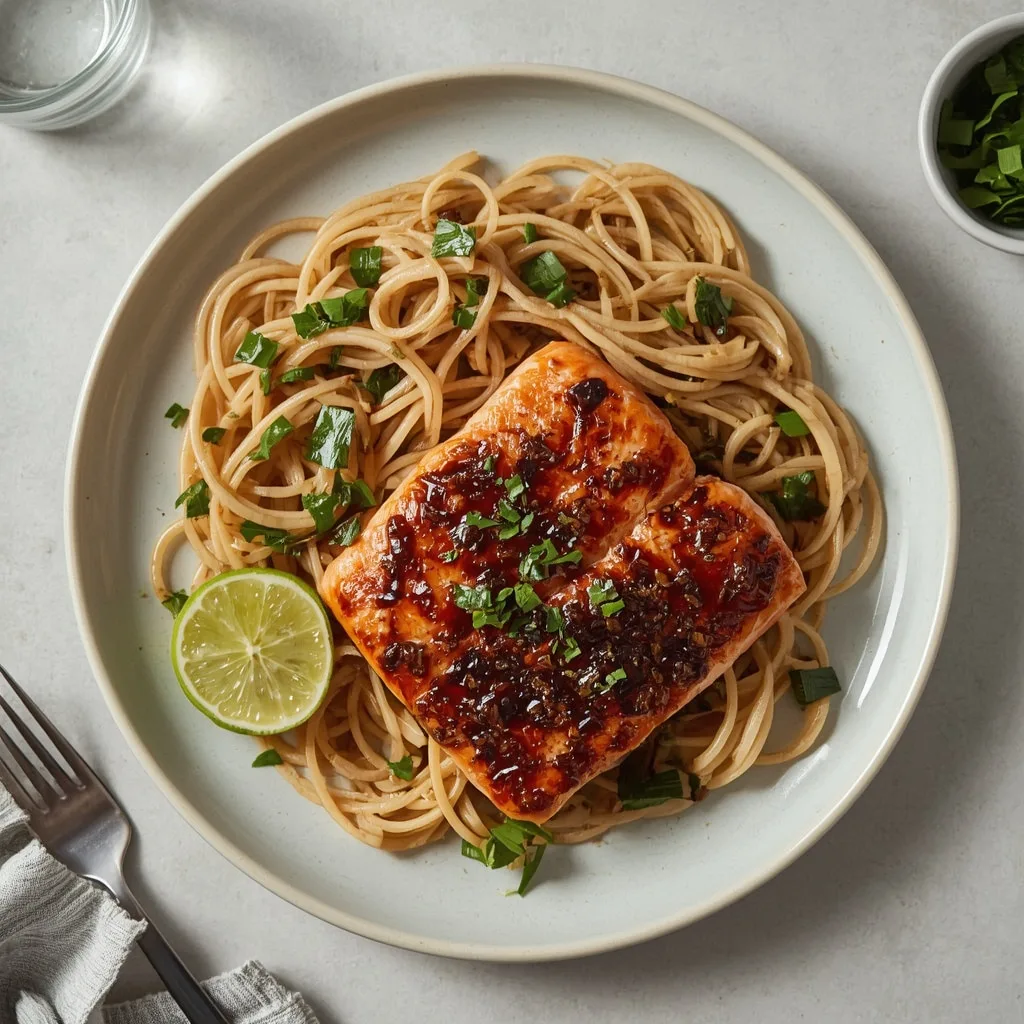
A few well-chosen sides turn this into a complete meal that feels restaurant-worthy.- Steamed jasmine rice — the subtle floral aroma and fluffy texture soak up every drop of the pan juices and glaze.
- Sautéed bok choy with garlic — a quick toss in a hot pan with a splash of soy sauce echoes the flavors in the glaze while adding crisp-tender greens.
- Roasted broccolini with sesame oil — the nutty, slightly charred stalks pair naturally with the umami-rich fish.
- Cucumber and radish salad with rice vinegar — something cold and crunchy cuts the richness and cleans the palate between bites.
- Chilled sake or a dry Riesling — both have enough acidity to stand up to the bold glaze without overwhelming the delicate salmon.
- Mango or lychee sorbet for dessert — a light, fruity finish keeps the meal from feeling heavy.
Key Tips for Making Ina Garten Asian Salmon
Here is what I have learned after making this baked salmon recipe repeatedly, including a few early mistakes worth avoiding.- Pat the salmon completely dry — any surface moisture dilutes the glaze and prevents it from adhering. Use paper towels and press firmly before coating.
- Grate ginger fresh, never use powdered — dried ground ginger lacks the bright, zippy heat that fresh root delivers. The microplane turns it into a juicy paste that disperses evenly.
- Space the fillets with intention — crowding traps steam between the pieces and prevents the edges from caramelizing. An inch of breathing room makes a visible difference.
- Rotate the pan at the halfway mark — most home ovens have uneven heat distribution. A quick 180-degree turn ensures all four fillets finish at the same time.
- Trust the thermometer over the timer — fillet thickness varies, and 145°F is the reliable target. Pulling the salmon at exactly the right internal temperature guarantees moist results every time.
- Spoon those pan juices back on — they are concentrated with soy, ginger, and mustard flavor. Letting them go to waste means losing the best part of the dish.
- Rest before serving, but only briefly — two to three minutes is perfect. Much longer and the residual heat keeps cooking the fish past the ideal point.
Creative Variations of Ina Garten Asian Salmon
Once you have the base method down, these tweaks take the dish in new directions.- Spicy sriracha version — stir a teaspoon or two of sriracha into the glaze for a warm, lingering heat that balances the sweetness.
- Miso-maple swap — replace the Dijon mustard with white miso paste and add a tablespoon of maple syrup. The result is earthier and slightly sweeter with deep umami notes.
- Citrus-brightened glaze — add the zest of one lime or orange and a squeeze of its juice to the soy mixture for a fresher, brighter finish.
- Honey-garlic boost — whisk a tablespoon of honey into the glaze for extra stickiness and a deeper caramelized crust.
- Sesame-crusted top — after coating the fillets, press a generous layer of toasted sesame seeds onto the top side before baking for added crunch and nuttiness.
- Grilled over high heat — in warmer months, cook the marinated fillets on a hot, oiled grill for about 4 to 5 minutes per side. The open flame adds a smoky char that the oven cannot replicate.
Storage Guidelines for Ina Garten Asian Salmon
Leftovers keep well if you handle them properly, and cold salmon is genuinely useful for next-day meals.- Refrigerator in an airtight container — transfer cooled fillets to a sealed container and store for up to 3 days. Press a piece of parchment between stacked fillets to prevent them from sticking together.
- Glass containers work best — plastic can absorb the garlic and ginger aroma over time. Glass keeps odors contained and rinses clean easily.
- Cold flaked salmon for salads — instead of reheating, flake the chilled fish over mixed greens, grain bowls, or soba noodle salads with a drizzle of sesame dressing.
- Freezing is not recommended — the texture of cooked salmon degrades significantly after thawing, turning dry and crumbly. This dish is best enjoyed fresh or within a few days from the fridge.
Reheating Tips for Leftover Salmon
Gentle heat is the rule. Salmon goes from moist to overcooked in seconds if you are not paying attention.- Oven at 300°F for the best texture — place the fillet on a parchment-lined baking sheet and warm for 10 to 12 minutes until just heated through. The low temperature revives the fish without drying it out.
- Stovetop in a covered skillet — set the pan over low heat, add a splash of water or a teaspoon of soy sauce, cover, and steam for 3 to 4 minutes. The trapped moisture keeps the flesh tender.
- Microwave only in a pinch — use 50% power in 30-second bursts and stop as soon as the salmon is warm. Full power zaps the moisture and turns the fish rubbery almost instantly.
- Air fryer at 275°F — wrap the fillet loosely in foil and heat for 4 to 5 minutes. The foil traps steam and prevents the edges from becoming too dry.
Nutrition Value (Per Serving)
Based on 1 serving (1 fillet out of 4 total).- Calories — 400
- Protein — 38g
- Fat — 26g
- Saturated Fat — around 4.5g
- Carbohydrates — 1g
- Fiber — 0g
- Sugar — 0g
- Sodium — about 870mg
- Cholesterol — roughly 95mg
FAQs
Can I use frozen salmon for Ina Garten Asian Salmon?
Yes, but thaw it completely first and pat the fillets very dry. Frozen salmon releases more moisture as it thaws, so take extra care with paper towels before coating. Wet fillets will steam rather than caramelize in the oven.How long does Ina Garten Asian Salmon last in the fridge?
Stored in an airtight container, the cooked salmon stays good for up to 3 days. The glaze keeps the fish moist during refrigeration, but the texture is best within the first two days. After that, it is still safe but slightly softer.What can I substitute for Dijon mustard in Ina Garten Asian Salmon?
Whole-grain mustard works well and adds a pleasant seedy texture to the glaze. You can also use spicy brown mustard for a sharper kick. Avoid yellow mustard, which is too mild and vinegary to balance the soy sauce properly.Can I marinate this salmon overnight?
No, do not marinate longer than the 10 minutes specified. The acid in the mustard and the salt in the soy sauce will begin breaking down the proteins, turning the surface of the fish mushy and grainy. This is a quick marinade by design.Is skin-on salmon okay for this recipe?
Skin-on fillets work, but the glaze will mostly sit on the flesh side. The skin may not get crispy in the oven at 400°F with the wet marinade. If you prefer crispy skin, sear the fillets skin-side down in a hot pan first, then transfer to the oven to finish.What side dishes go with this Asian salmon dinner?
Jasmine rice is the classic choice and soaks up the glaze beautifully. Steamed or sautéed bok choy, roasted broccolini, snap peas, or a simple cucumber salad all complement the savory-sweet flavors without competing. For a low-carb option, cauliflower rice works nicely.Try These Popular Recipes
- Ina Garten Corn Chowder
- Ina Garten Giant Chocolate Chip Cookies
- Ina Garten Crispy Mustard Chicken Thighs
- Ina Garten Frozen Key Lime Pie
Wrapping Up
Ina Garten Asian Salmon proves that a handful of pantry ingredients and a hot oven can produce something genuinely impressive in half an hour. The glaze does all the heavy lifting, and once you have the timing down, the recipe becomes second nature. Give it a spot in your weeknight rotation and watch it become a regular request at your table. PrintIna Garten Asian Salmon

Ina Garten’s Asian Salmon features a savory-sweet glaze of soy sauce, Dijon mustard, ginger, and garlic that caramelizes beautifully in a hot oven. The salmon emerges flaky and moist with a sticky, umami-rich crust, perfect for pairing with jasmine rice and steamed vegetables. Simple yet elegant, it becomes a quick weeknight favorite.
- Prep Time: 15
- Cook Time: 15
- Total Time: 30
- Yield: 4 1x
- Category: Main Course
- Method: Baking
- Cuisine: Asian
Ingredients
- 4 center-cut salmon fillets (6 to 8 ounces each), skin removed and patted dry
- 3 tablespoons good-quality soy sauce
- 2 tablespoons Dijon mustard
- 2 tablespoons vegetable oil
- 1 teaspoon minced fresh garlic (about 1 medium clove)
- 1 teaspoon peeled and finely grated fresh ginger
- 2 scallions, thinly sliced on a diagonal for garnish
Instructions
- Preheat the oven to 400°F (204°C) and position a rack in the center. Line a rimmed baking sheet with parchment paper to prevent sticking and simplify cleanup.
- In a small mixing bowl, whisk together the soy sauce, Dijon mustard, vegetable oil, minced garlic, and grated ginger until the mixture is fully emulsified and uniform in color—this ensures each fillet gets a balanced coat of flavor.
- Arrange the salmon fillets on the prepared baking sheet with the thickest, flatter sides facing up. Leave at least 1 inch between fillets so hot air circulates, promoting even cooking.
- Spoon half of the soy-mustard mixture over the fillets, using the back of the spoon to spread it evenly across the surface. Flip each fillet carefully, then coat the other side with the remaining mixture, ensuring every inch of flesh is marinated.
- Allow the salmon to marinate at room temperature for exactly 10 minutes—no longer, or the acid in the mustard may begin to denature the delicate proteins and make the flesh mushy. Use this time to prep your side dishes.
- Once marinated, slide the baking sheet into the preheated oven on the center rack. Bake for 12 to 15 minutes, rotating the pan halfway through for uniform heat exposure if your oven has hot spots.
- Check for doneness at the 12-minute mark: the salmon should turn from translucent to opaque pink, and the thickest part should flake easily when nudged with a fork but still look moist. An instant-read thermometer inserted into the center should register 145°F (63°C) for perfectly cooked salmon.
- Remove the salmon from the oven and immediately spoon any pan juices that have collected back over the fillets to add a glistening finish and extra moisture.
- Let the salmon rest on the baking sheet for 2 to 3 minutes. This brief pause allows the proteins to relax, locking in juices before serving.
- Transfer fillets to warmed plates using a fish spatula to keep them intact. Sprinkle generously with sliced scallions for a fresh, colorful contrast. Serve immediately with steamed jasmine rice and a side of sautéed bok choy or broccolini.
Notes
Store leftover salmon in an airtight container in the refrigerator for up to 3 days. To reheat, place on a parchment-lined baking sheet in a 300°F (150°C) oven for 10 to 12 minutes until just warmed through; avoid the microwave, which can overcook and dry out the fish. This dish is not suitable for freezing. Leftover salmon can be flaked cold into salads or grain bowls for a quick next-day lunch.
Nutrition
- Calories: 400
- Sugar: 0g
- Sodium: 870mg
- Unsaturated Fat: 4g
- Carbohydrates: 1g
- Fiber: 0g
- Protein: 38g
- Cholesterol: 75mg
Keywords: Ina Garten Asian salmon, Asian salmon recipe, soy ginger salmon, baked salmon, easy salmon dinner, healthy salmon, Japanese-style salmon, weeknight dinner, quick salmon, high-protein meal, salmon with mustard glaze, barefoot contessa salmon


