 Anabelle Mclean
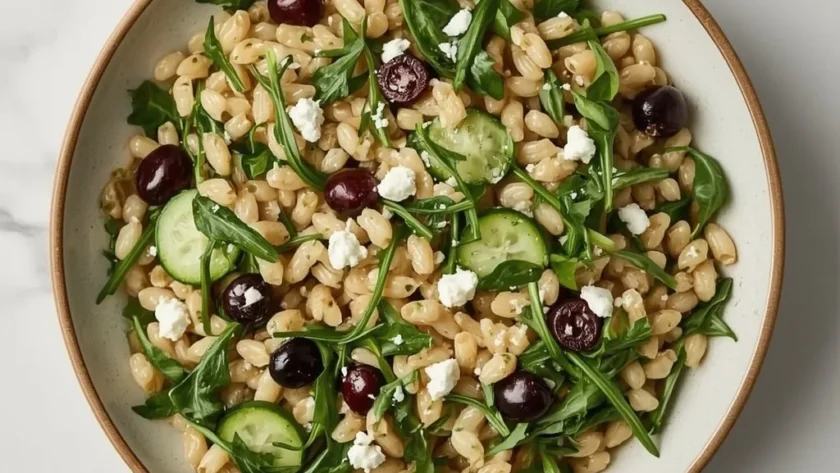
 This Ina Garten Greek Orzo Salad With Arugula is one of those dishes that tastes far more complex than the effort it takes. Tender orzo pasta mingles with briny olives, juicy tomatoes, crisp cucumber, and creamy feta, all coated in a bright lemon-herb vinaigrette. The peppery arugula folded in at the end keeps every bite fresh and lively.
From start to finish, the whole thing comes together in 25 minutes—perfect for a quick weeknight side or a make-ahead lunch. It’s a beginner-friendly recipe with only 10 minutes of actual cooking. The one moment that needs your full attention is draining and cooling the orzo properly so the salad stays light, not gluey.
What Is Ina Garten Greek Orzo Salad With Arugula?
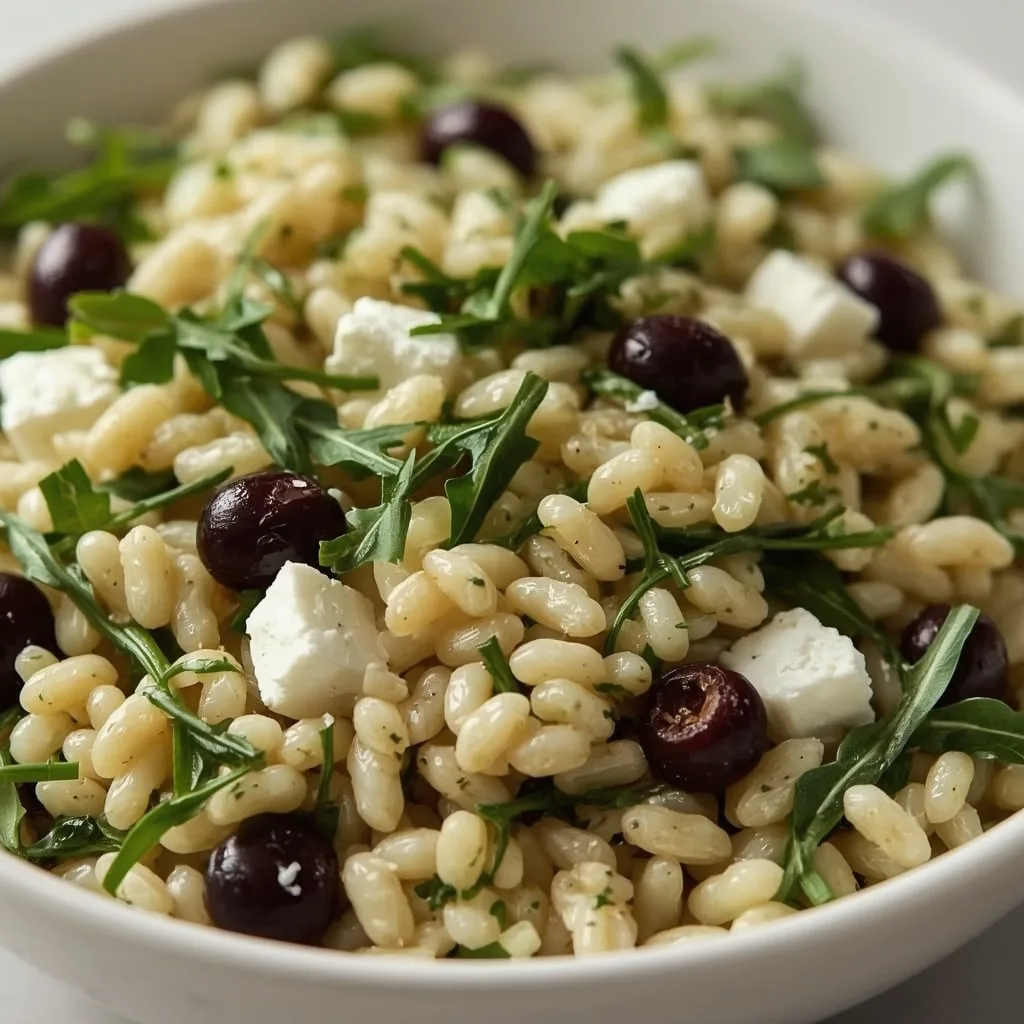
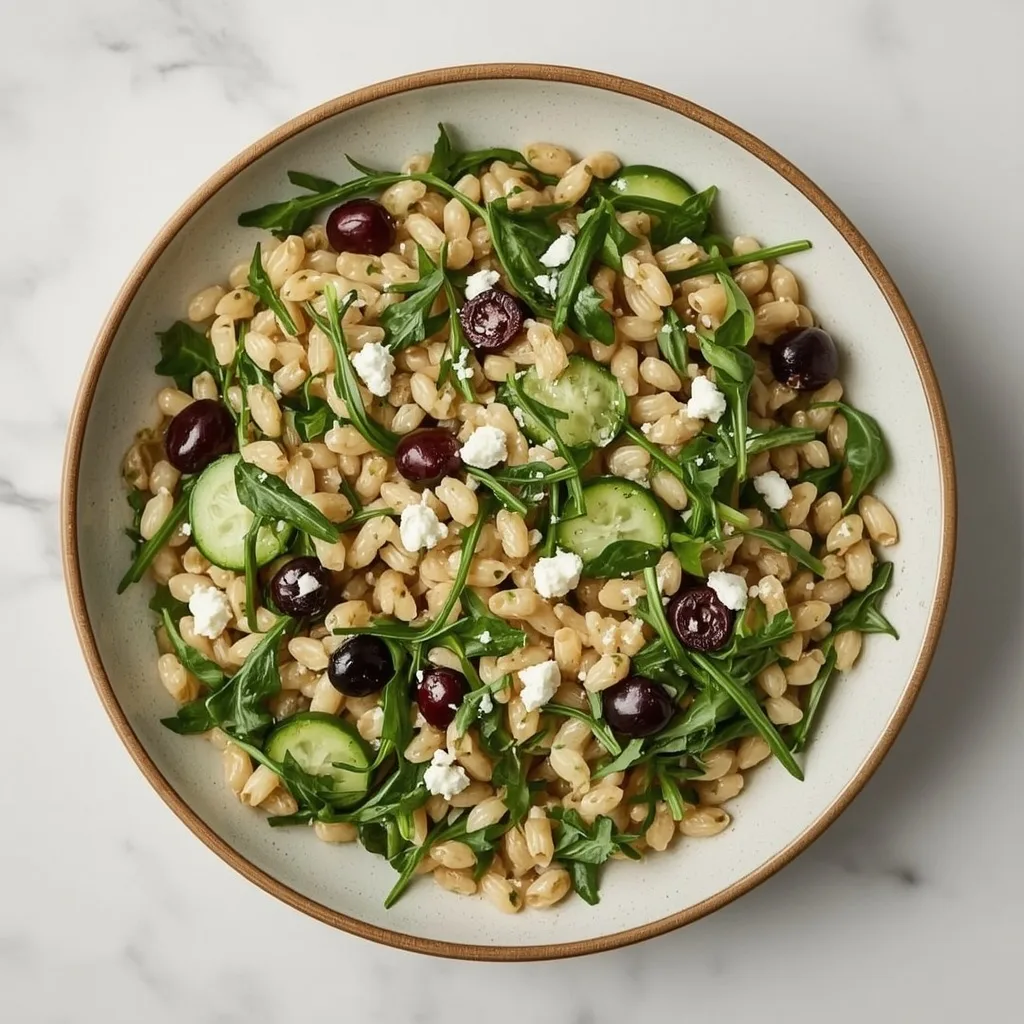
This dish is a vibrant Mediterranean pasta salad built around orzo, a rice-shaped pasta that turns exceptionally silky when dressed. It pairs the orzo with classic Greek ingredients like feta, Kalamata olives, tomatoes, cucumber, and a fistful of fresh herbs. The whole thing gets tossed while the pasta is still warm so it absorbs the lemon dressing deeply. Every forkful delivers a satisfying contrast—chewy pasta, crunchy vegetables, creamy cheese, and the peppery kick of baby arugula.
Reasons to Try This Greek Orzo Salad
Here is why this recipe has earned a permanent spot in my rotation.
- Fast and flexible — The hands-on time is minimal, and almost every ingredient swaps easily based on what’s in your fridge.
- Make-ahead friendly — You can dress the orzo and vegetables hours ahead; just hold the arugula until serving.
- No mayo, no heavy cream — The vinaigrette keeps the salad light, tangy, and safe at room temperature for outdoor gatherings.
- Texture in every bite — Soft pasta, crunchy cucumber, juicy tomatoes, and briny olives hit all the right notes.
- Packs well for lunch — It tastes even better after a few hours, making it a go-to for meal prep.
- Kid-friendly base — My teenagers pick around the olives but devour the herby orzo and feta.
Ingredients Needed to Make Ina Garten Greek Orzo Salad With Arugula
This lineup keeps things simple—you probably have most of these Mediterranean staples on hand already.
For the Orzo and Dressing
- Dried orzo pasta — 1 cup (8 ounces) provides the tender, chewy foundation. Look for a high-quality semolina orzo that holds its shape after cooking.
- Extra-virgin olive oil — ¼ cup forms the rich base of the vinaigrette. Use a fruity, not overly peppery, oil here.
- Freshly squeezed lemon juice — 2 tablespoons (from 1 lemon) brighten the entire dish. Bottled juice can’t replicate the fresh, aromatic zing.
- Red wine vinegar — 1 tablespoon adds depth and a subtle tang that balances the lemon.
- Garlic — 1 clove, minced fine, gives the dressing a gentle bite without overpowering the herbs.
- Kosher salt — ½ teaspoon for the dressing, plus more for the pasta water. Diamond Crystal and Morton’s measure differently, so adjust to taste.
- Black pepper — ¼ teaspoon freshly ground offers a mild warmth.
Fresh Herbs and Aromatics
- Red onion — ¼ cup finely diced. Its sharpness mellows once it hits the warm orzo. Soak in ice water for 10 minutes if raw onion feels too strong.
- Fresh dill — ¼ cup chopped; dill brings that unmistakable Greek flavor. Don’t substitute dried—it turns dusty here.
- Flat-leaf parsley — ¼ cup chopped adds grassy freshness. Curly parsley works in a pinch but lacks the same punch.
- Fresh mint — 2 tablespoons chopped. Mint might seem unexpected, but it wakes up the whole salad with a cool, clean finish.
Vegetables and Mix-Ins
- Cherry tomatoes — 1 cup halved. Grape tomatoes are just as good; look for ones that feel heavy for their size.
- English cucumber — ½ cup diced small. No need to peel or seed this variety, which keeps the texture crisp instead of watery.
- Kalamata olives — ¼ cup pitted and halved. Their briny, meaty character is non-negotiable for the Greek profile.
- Greek feta cheese — ½ cup crumbled. A block of feta in brine tastes milky and tangy; pre-crumbled tends to be dry and salty.
- Baby arugula — 4 cups (4 ounces) added right before serving so it stays perky. Mature arugula can be too tough and spicy.
Instructions to Prepare Ina Garten Greek Orzo Salad With Arugula
This method is straightforward, but a few well-timed moves make the difference between a good salad and an unforgettable one.
- Boil the pasta — Bring a large pot of generously salted water to a rolling boil. Cook the orzo until al dente (8–10 minutes), then drain in a fine-mesh strainer and rinse under cold water for 30 seconds. Let it sit in the strainer for at least 5 minutes to shed excess moisture—lingering water will thin out the dressing.
- Whisk the dressing — While the orzo drains, combine olive oil, lemon juice, red wine vinegar, minced garlic, ½ teaspoon salt, and ¼ teaspoon pepper. Whisk until the mixture emulsifies and looks slightly thickened, about 30 seconds. You want a smooth, unified sauce, not a separated puddle.
- Coat the warm orzo — Place the drained orzo in a large mixing bowl and pour the vinaigrette over it. Toss gently with a rubber spatula to coat every grain. Let it cool to room temperature, tossing occasionally. This step is crucial: the pasta absorbs the dressing as it cools, locking in flavor.
- Fold in the aromatics — Once the orzo is completely cool, add the diced red onion, dill, parsley, and mint. Lift and fold with the spatula, being careful not to bruise the delicate herbs. The perfume at this stage tells you the salad is on track.
- Add the vegetables — Gently stir in the halved cherry tomatoes, diced cucumber, and halved Kalamata olives. Distribute them evenly so every serving gets a mix of juicy bursts, crunch, and briny pops.
- Incorporate the feta — Crumble the feta in large chunks over the top and fold with no more than 3 or 4 strokes. Leaving some pieces intact ensures you taste creamy, distinct pockets of cheese rather than a dissolved salty smear.
- Add arugula just before serving — Pile the fresh arugula on top and use your hands or two large spoons to lift and fold until the greens are evenly distributed. The arugula wilts only slightly from the dressing, preserving its peppery bite.
- Taste and adjust — Sample the salad and add a pinch more salt, a few grinds of pepper, or an extra spritz of lemon if it needs brightness. Remember, the feta and olives already contribute plenty of saltiness.
- Serve or chill — Enjoy right away for the freshest crunch, or refrigerate (without the arugula) for up to 3 hours to let the flavors meld. If holding longer, store the arugula separately.
- Store leftovers correctly — Keep the arugula in a separate container. The dressed orzo stays good in the fridge for up to 3 days. Revive it with a drizzle of olive oil and a squeeze of lemon before serving.
What to Serve With This Mediterranean Pasta Dish
This salad works as a standalone lunch, but it also shines next to simple grilled proteins and other mezze-style bites.
- Grilled lemon chicken skewers — The charred, citrusy notes mirror the dressing, and the warm meat contrasts the cool salad.
- Pan-seared salmon — Rich, fatty fish gets cut nicely by the lemony arugula and briny olives.
- Warm pita and hummus — Scooping the orzo salad onto toasted pita is a texture dream; creamy hummus rounds out the plate.
- Lamb chops with oregano — The classic Greek pairing—earthy lamb and herby pasta—feels restaurant-worthy in minutes.
- A chilled cucumber and yogurt soup — On a hot day, the two cold dishes together make a refreshing, no-cook meal.
- Crispy falafel — The crunchy chickpea balls and soft salad bring a satisfying contrast, plus extra herbs.
Pro Tips for the Best Orzo Salad
Small details can nudge this recipe from good to great. Here is what I’ve learned through plenty of test batches.
- Salt the pasta water aggressively — The orzo should taste seasoned on its own, not just from the dressing. Use about 1 tablespoon of kosher salt per 4 quarts of water.
- Rinse, then drain thoroughly — A 30-second cold-water rinse stops the cooking, but letting the orzo sit in the strainer for a full 5 minutes prevents a soggy salad. Excess water is the enemy of a clingy vinaigrette.
- Dress while warm — Warm pasta absorbs flavor like a sponge; room-temperature or cool pasta won’t take in the dressing nearly as well.
- Chop herbs right before using — Dill and mint can turn dark and lose their punch if prepped too far ahead. The fresher the chop, the brighter the flavor.
- Fold feta gently — Overmixing turns the cheese into a cloudy paste. You want visible, marbled chunks that stay creamy on your fork.
- Stir arugula in at the last possible moment — Even a 10-minute head start will cause the greens to wilt and turn slippery. Separate storage is key for leftovers.
- Taste with a clean spoon after chilling — Cold dulls salt and acid, so you may need to brighten a refrigerated batch with extra lemon and a tiny pinch of salt.
Creative Variations of This Greek Orzo Salad
Once you have the base method down, it’s easy to tweak the ingredients for seasonal or dietary shifts.
- Gluten-free swap — Use a high-quality gluten-free orzo made from corn and rice. Cook time will vary, so watch it closely to avoid mush.
- Extra veggies version — Add diced roasted red peppers or thinly sliced radishes for more color and crunch without changing the dressing at all.
- Make it a main with chickpeas — A can of drained, rinsed chickpeas adds protein and fiber, turning the side into a hearty vegetarian lunch.
- Herb substitution play — If you’re out of dill, increase the mint and parsley; a little fresh oregano can also lean harder into Greek flavors.
- Balsamic twist — Replace the red wine vinegar with a good balsamic for a slightly sweeter, rounder dressing that pairs well with grilled steak.
- Spicy kick — A pinch of crushed red pepper flakes added to the vinaigrette brings gentle heat that plays off the cool cucumber and mint.
How to Store This Salad
Proper storage keeps the textures distinct. Here are the guidelines I follow.
- Refrigerate components separately — Put the dressed orzo-vegetable mixture in one airtight container and the arugula in a breathable bag or container lined with a paper towel. This prevents sogginess for up to 3 days.
- Anytime fridge time — The orzo base can be made 24 hours ahead; the flavors actually improve. Just hold the arugula until you’re ready to eat.
- Revive cold salad — After refrigeration, the pasta will have absorbed much of the dressing. Drizzle with a little extra olive oil, a squeeze of lemon, and a small pinch of salt, then toss to bring it back to life.
- Skip the freezer — Freezing causes the vegetables and pasta to turn mushy upon thawing. This salad simply doesn’t freeze well.
- Portable lunch trick — Pack the orzo mixture and arugula in separate containers in the morning. At lunchtime, combine them, and the greens will be crisp and fresh.
Best Ways to Refresh Leftovers
Since this dish is served chilled or at room temperature, reheating isn’t the goal—reviving textures and flavors is.
- Room-temperature rest — Take the container out of the fridge 20 minutes before eating. Cold mutes flavors, so letting it sit helps the herbs and lemon come through.
- Quick oil and lemon fix — If the orzo seems dry, add a teaspoon of olive oil and a few drops of lemon juice, then toss. Start small; you can’t undo too much liquid.
- Fresh herb boost — Stir in a pinch of chopped parsley or mint from your stash to wake up the flavor after a day or two in the fridge.
- Avoid the microwave — Heating softens the cucumber and wilts any remaining arugula into a sad, lifeless state. Cold or cool is best.
Nutrition Value (Per Serving)
Based on 1 serving out of 4 total.
- Calories — 404
- Protein — 11g
- Fat — about 21g
- Carbohydrates — around 48g
- Fiber — 1g
- Sugar — roughly 2g
- Sodium — 550mg
FAQs
Can I make Ina Garten Greek Orzo Salad With Arugula ahead of time?
Yes, and it’s actually better with a little rest. Prepare the orzo, vegetables, and herbs, then refrigerate for up to 3 hours without the arugula. Fold the greens in just before serving.
How long does Ina Garten Greek Orzo Salad With Arugula last in the fridge?
The dressed orzo mixture keeps for up to 3 days in an airtight container. Keep the arugula separate in a breathable bag, and the salad will taste nearly as fresh as day one.
What can I use instead of orzo in this Greek pasta salad?
Small pasta shapes like ditalini or even couscous work well. For a gluten-free option, choose a corn-and-rice orzo and follow the package timing carefully.
Do I need to rinse the orzo after cooking?
Yes, a quick 30-second rinse stops the cooking and removes surface starch that would make the salad sticky. Just be sure to let the orzo drain completely so it doesn’t dilute the dressing.
Can I use bottled lemon juice?
I don’t recommend it. Fresh lemon juice provides the aromatic, zesty brightness that defines the vinaigrette. Bottled juice often tastes flat and metallic.
Is this Greek orzo salad served hot or cold?
This dish shines at room temperature or lightly chilled. Serving it cold straight from the fridge mutes the flavors, while heating it would wilt the arugula and cucumber. A 20-minute rest outside the fridge is ideal.
Try These Popular Recipes
- Ina Garten Asian Salmon
- Ina Garten Corn Chowder
- Ina Garten Giant Chocolate Chip Cookies
- Ina Garten Crispy Mustard Chicken Thighs
Wrapping Up
Ina Garten Greek Orzo Salad With Arugula is the kind of unfussy, big-flavor recipe that makes weeknight cooking feel effortless. The combination of tender pasta, briny olives, creamy feta, and that lemony herb dressing is one I come back to whenever I need a reliable side or a lunch that actually excites me. Give it a try, and I think you’ll find it joins your regular rotation too.
PrintIna Garten Greek Orzo Salad With Arugula

This bright and fresh Greek Orzo Salad with peppery arugula, briny Kalamata olives, creamy feta, crunchy cucumber, and a zesty lemon-herb dressing is the perfect make-ahead lunch or side dish. Every forkful delivers a satisfying mix of tender pasta, crisp vegetables, and vibrant Mediterranean flavors.
- Prep Time: 15
- Cook Time: 10
- Total Time: 25
- Yield: 4 1x
- Category: Salad
- Method: Stovetop
- Cuisine: Greek
Ingredients
- 1 cup (8 ounces) dried orzo pasta
- 1/4 cup extra-virgin olive oil
- 2 tablespoons freshly squeezed lemon juice (from 1 lemon)
- 1 tablespoon red wine vinegar
- 1 clove garlic, minced
- 1/2 teaspoon kosher salt, plus more for pasta water
- 1/4 teaspoon freshly ground black pepper
- 1/4 cup finely diced red onion
- 1/4 cup chopped fresh dill
- 1/4 cup chopped fresh flat-leaf parsley
- 2 tablespoons chopped fresh mint
- 1 cup halved cherry tomatoes
- 1/2 cup diced English (seedless) cucumber
- 1/4 cup pitted Kalamata olives, halved
- 1/2 cup crumbled Greek feta cheese
- 4 cups (4 ounces) fresh baby arugula
Instructions
- Bring a large pot of generously salted water to a rolling boil over high heat (use about 1 tablespoon kosher salt for every 4 quarts of water). Add the orzo and cook according to package directions until al dente—tender but with a slight firm bite—typically 8 to 10 minutes. Drain the orzo in a fine-mesh strainer, then rinse under cold running water for 30 seconds to stop the cooking. Shake off excess water and let the orzo drain in the sink for at least 5 minutes so it doesn’t dilute the dressing.
- Meanwhile, make the vinaigrette. In a small bowl or liquid measuring cup, whisk together the olive oil, lemon juice, red wine vinegar, minced garlic, salt, and pepper until the mixture emulsifies and thickens slightly, about 30 seconds. The dressing should be smooth and unified, with no separation.
- Place the warm drained orzo in a large mixing bowl and pour the vinaigrette over it. Toss gently with a rubber spatula to coat every grain evenly. Let the orzo cool to room temperature, about 15 minutes, tossing occasionally to prevent clumps. As it cools, the pasta will absorb the dressing, deepening the flavor and preventing a dry salad.
- Once the orzo is completely cool, add the diced red onion, dill, parsley, and mint. Fold the herbs in gently with a spatula, lifting from the bottom of the bowl to distribute them without bruising the delicate leaves. The fresh herbs will perfume the entire salad.
- Add the halved cherry tomatoes, diced cucumber, and halved Kalamata olives. Stir carefully to combine, ensuring the vegetables are mixed throughout. The tomatoes and cucumber provide juicy bursts that contrast the chewy orzo, while the olives add a briny pop.
- Crumble the feta cheese over the salad in large pieces, then fold it in lightly with no more than 3 or 4 strokes. Leave some chunks intact so the feta remains a distinct, creamy element rather than dissolving into the dressing.
- Just before serving, pile the fresh arugula on top of the salad. Using your hands or two large spoons, lift and gently fold the greens into the salad until evenly distributed. The arugula will wilt only slightly from the dressing, keeping its peppery bite and texture.
- Taste the salad and adjust the seasoning as needed—add a pinch more salt, a few grinds of black pepper, or a spritz of lemon juice to brighten the flavors. The balance should be zesty and salty, with the feta and olives providing ample sodium.
- Serve immediately for the freshest texture, or refrigerate the salad (without the arugula) in an airtight container for up to 3 hours to let the flavors meld. If making ahead, store the dressed orzo and vegetables separately from the arugula, and fold the greens in right before serving.
- For leftovers, keep the arugula separate and add it to each serving as needed. The dressed orzo will keep in the refrigerator for up to 3 days; refresh it with a drizzle of olive oil and a squeeze of lemon before serving, as the pasta continues to absorb liquid over time.
Notes
Store leftover dressed orzo (without arugula) in an airtight container in the refrigerator for up to 3 days. Store arugula separately in a breathable bag or container to prevent wilting. The salad is best served chilled or at room temperature, never heated. Do not freeze, as the vegetables and pasta will become mushy. If the salad seems dry after refrigeration, revive it with a drizzle of extra-virgin olive oil, a spritz of lemon juice, and a pinch of salt.
Nutrition
- Calories: 404
- Sugar: 2g
- Sodium: 550mg
- Unsaturated Fat: 5g
- Carbohydrates: 48g
- Fiber: 1g
- Protein: 11g
- Cholesterol: 20mg
Keywords: Ina Garten Greek orzo salad, Greek orzo salad with arugula, Mediterranean orzo salad, orzo pasta salad, arugula feta salad, lemon herb orzo, summer pasta salad, make-ahead salad, vegetarian main course, Greek salad recipe, easy Greek salad, best orzo salad